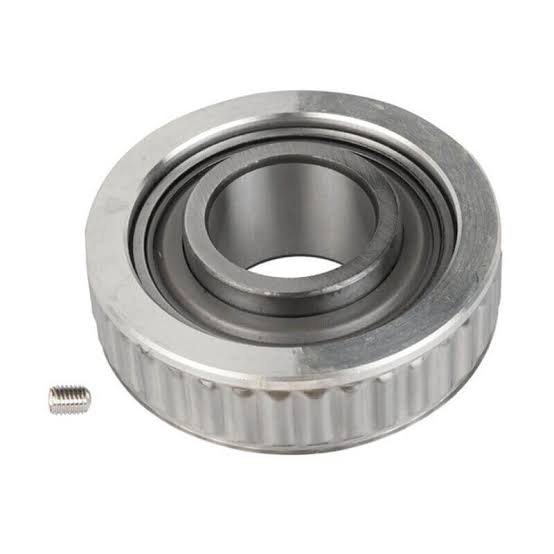
Marine bearings play an important role in maintaining the performance and reliability of ships, offshore equipment, and other marine machinery. They support rotating shafts, reduce friction, and help ensure smooth mechanical movement under demanding operating conditions. Since marine equipment is regularly exposed to moisture, saltwater, vibration, and heavy loads, choosing suitable bearings is essential for long-term operational efficiency.
Selecting the right Marine Bearing Suppliers requires careful evaluation of several factors beyond product pricing. Buyers should consider manufacturing quality, material selection, technical expertise, product availability, and after-sales services. A dependable supplier can help reduce equipment failures, control maintenance expenses, and ensure that marine machinery operates consistently.
1. Product Quality and Manufacturing Standards
Product quality should be one of the first considerations when evaluating a marine bearing supplier. Bearings must maintain their performance under continuous operation, changing loads, and challenging marine environments.
Look for suppliers that follow established manufacturing procedures and conduct regular quality inspections. Precision machining, accurate dimensions, smooth surface finishes, and consistent production standards all contribute to bearing reliability.
It is also helpful to request technical documentation, material certificates, and inspection reports. These documents provide useful information about product specifications and manufacturing consistency.
2. Material Selection and Corrosion Resistance
Marine equipment operates in environments where saltwater, humidity, and temperature variations can accelerate corrosion and material deterioration. Therefore, bearing materials should be selected according to their intended application.
Common material options include bronze alloys, stainless steel, specialized polymers, and other engineered materials. Each offers different advantages depending on load capacity, friction characteristics, lubrication requirements, and environmental exposure.
When comparing suppliers, ask about:
- Resistance to seawater and moisture.
- Wear resistance under continuous operation.
- Load-bearing capacity.
- Compatibility with lubrication systems.
- Performance under different temperatures.
Choosing suitable materials can improve service life and reduce the frequency of component replacement.
3. Technical Knowledge and Industry Experience
Marine bearing applications often involve specialized engineering requirements. An experienced supplier should understand the operating conditions of different marine systems and provide appropriate product recommendations.
Technical knowledge is particularly important when selecting bearings for propulsion shafts, marine pumps, compressors, and other rotating equipment. Suppliers should be able to explain product specifications and help buyers identify suitable designs.
Consider how long the supplier has worked in the marine industry, what applications they serve, and whether they can provide technical assistance during product selection.
4. Product Range and Customization Capabilities
Different vessels and marine machinery require different bearing configurations. A supplier with a broad product range can make it easier to find components that match specific equipment requirements.
Check whether the supplier offers different bearing types, dimensions, materials, and lubrication arrangements. Customization capabilities are also valuable when standard products do not meet particular engineering specifications.
A capable supplier should be able to review technical drawings, shaft dimensions, and operating conditions before recommending a suitable solution. This reduces the risk of selecting incompatible components.
5. Quality Control and Product Testing
A reliable supplier should have a structured quality control system covering the entire manufacturing process. Inspection should begin with incoming raw materials and continue through machining, assembly, and final product evaluation.
Depending on the bearing design, testing may include dimensional checks, surface inspections, load assessments, and other relevant performance evaluations.
Ask suppliers about their testing procedures and applicable quality standards. Consistent inspection practices help identify manufacturing defects before products reach customers.
6. Pricing and Overall Product Value
Price is an important factor, especially for shipowners and marine equipment manufacturers purchasing bearings in large quantities. However, choosing the lowest-priced option may lead to higher expenses if the components require frequent replacement.
Instead, evaluate the overall value of the product by considering its expected service life, material quality, maintenance requirements, and technical support.
A useful supplier comparison should include:
- Initial product cost.
- Expected operating lifespan.
- Maintenance and replacement requirements.
- Warranty coverage.
- Shipping and delivery expenses.
Considering these factors helps buyers make informed purchasing decisions without compromising essential performance requirements.
7. Delivery Time and Supply Chain Reliability
Timely delivery is important in the marine industry because equipment maintenance and vessel schedules often depend on the availability of replacement components.
Before selecting a supplier, review their production capacity, inventory management, estimated lead times, and shipping arrangements. Suppliers with organized logistics can help reduce delays and support more effective maintenance planning.
It is also worth asking whether they can handle urgent orders and maintain consistent availability of frequently required bearing models.
8. After-Sales Support and Warranty Services
Good after-sales support can make a significant difference throughout the service life of marine bearings. Technical guidance, installation recommendations, troubleshooting assistance, and replacement support can help customers manage unexpected equipment issues.
Buyers should review warranty terms and understand the supplier’s procedures for handling defective products or manufacturing-related problems.
Clear communication is equally important. Suppliers that respond promptly to technical questions and provide accurate product information are generally easier to work with over the long term.
9. Reputation and Customer Feedback
A supplier’s reputation can provide useful insight into product reliability and service quality. Research customer reviews, industry references, previous projects, and feedback from marine equipment professionals.
Pay attention to comments about product consistency, delivery performance, technical knowledge, and customer service.
Rather than relying on promotional claims alone, look for evidence of successful supply relationships and experience with applications similar to your own.
For example, Techemer is a name buyers may encounter when researching marine bearing solutions. As with any potential supplier, evaluating product specifications, technical capabilities, and service standards is important before making a purchasing decision.
Conclusion
Selecting a suitable marine bearing supplier requires a balanced assessment of product quality, material properties, manufacturing standards, technical expertise, pricing, and delivery reliability. These factors influence not only the performance of individual components but also the overall efficiency of marine machinery.
By carefully comparing suppliers and understanding the requirements of their equipment, marine operators can make more informed purchasing decisions. Establishing a relationship with a dependable supplier also supports better maintenance planning, reduces unexpected downtime, and contributes to consistent vessel performance over the long term.